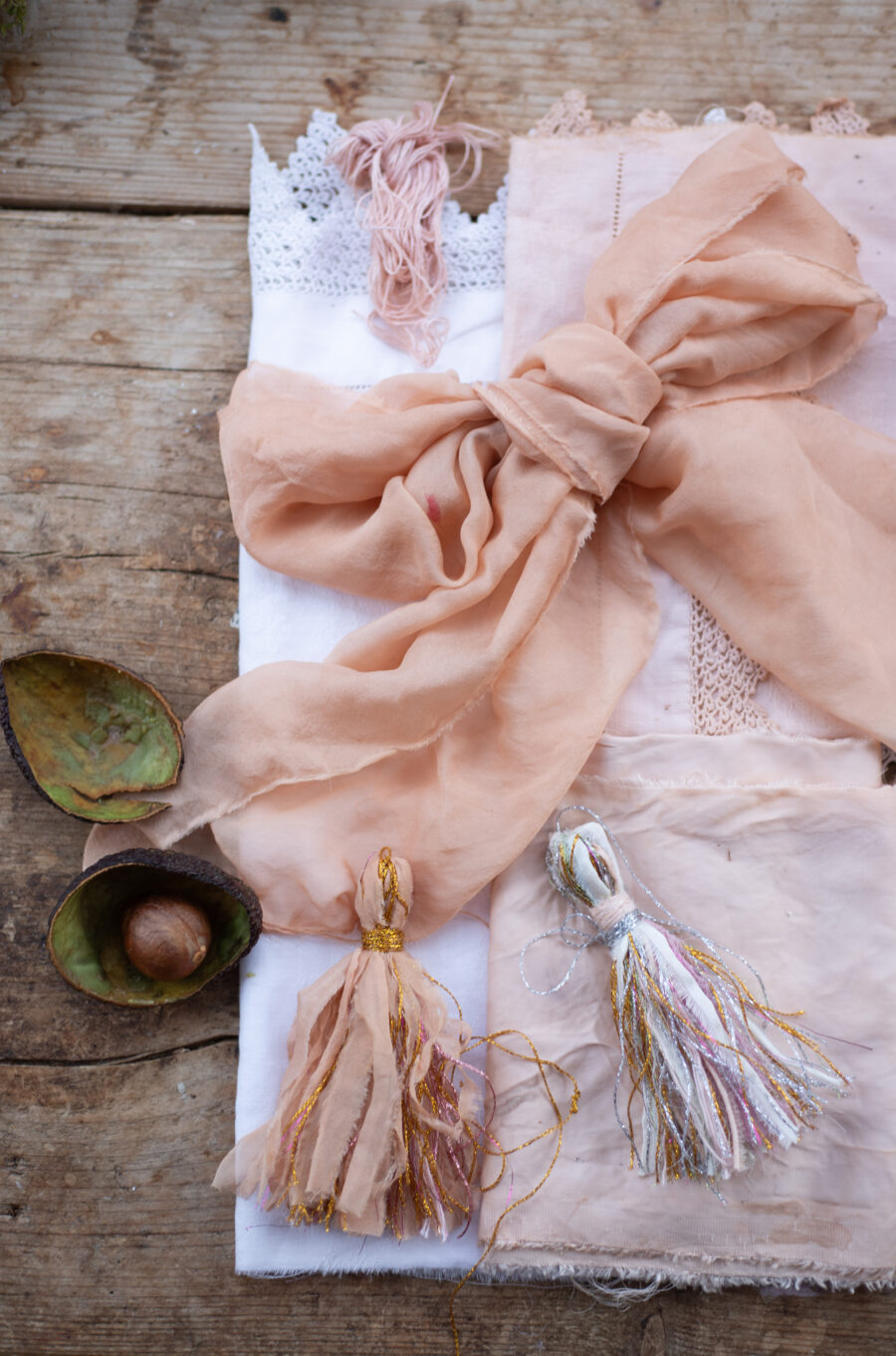
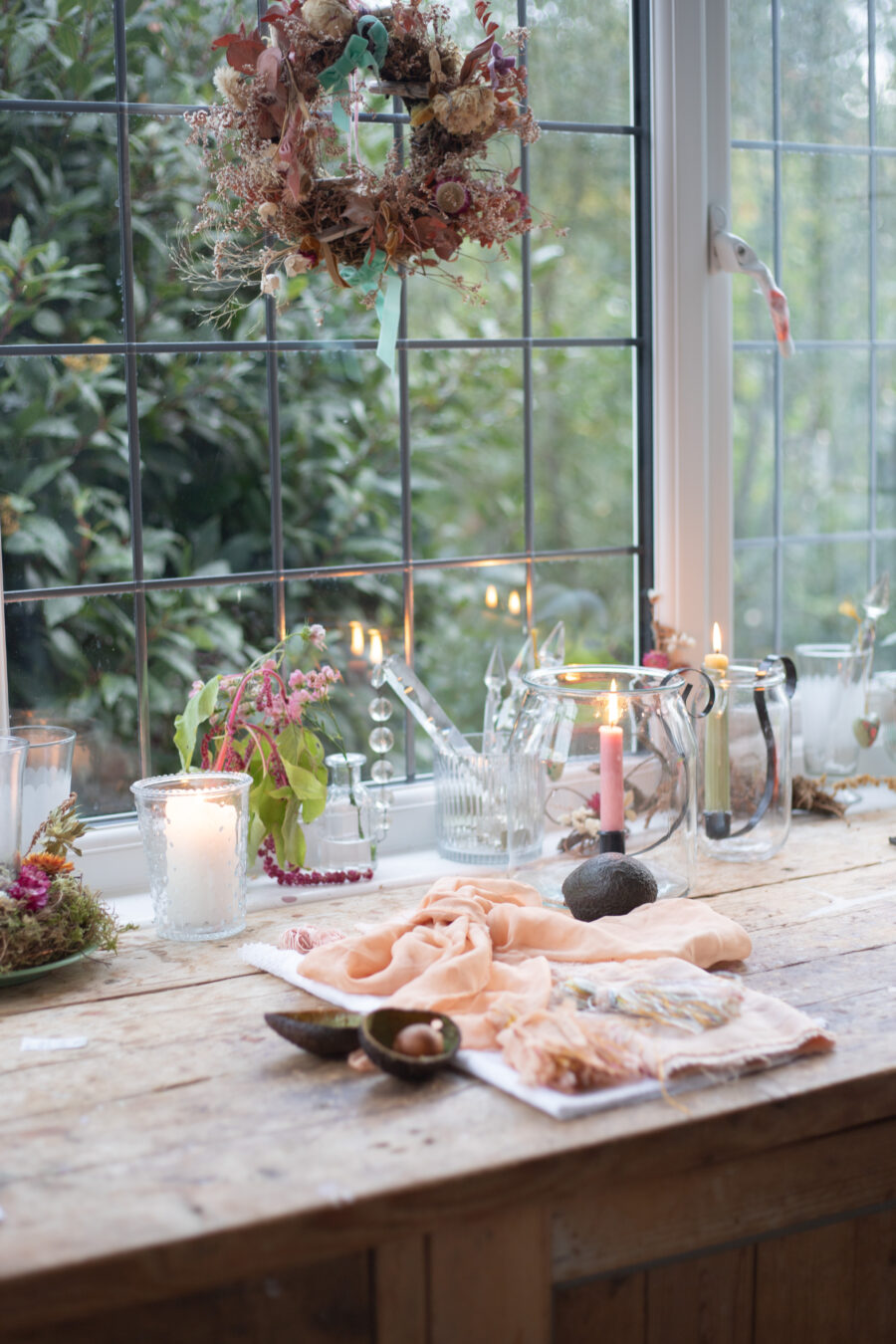
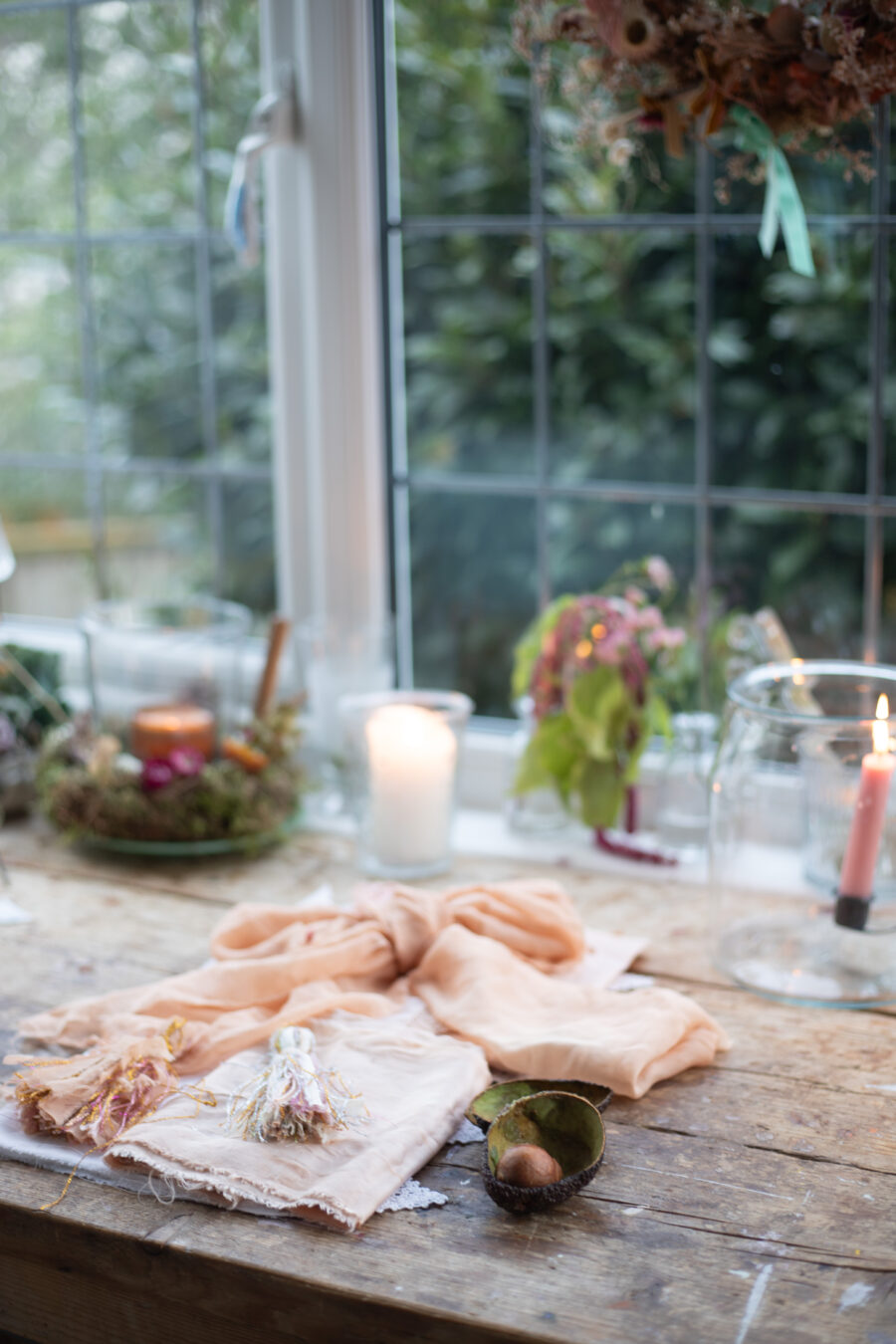
Dying fabrics with avocado skins has got to be one of the most satisfying crafts around. The dye from avocado skins produces the best blush tones in a few easy steps. It makes you (well me) feel like a magician turning scraps into something really beautiful and usable.
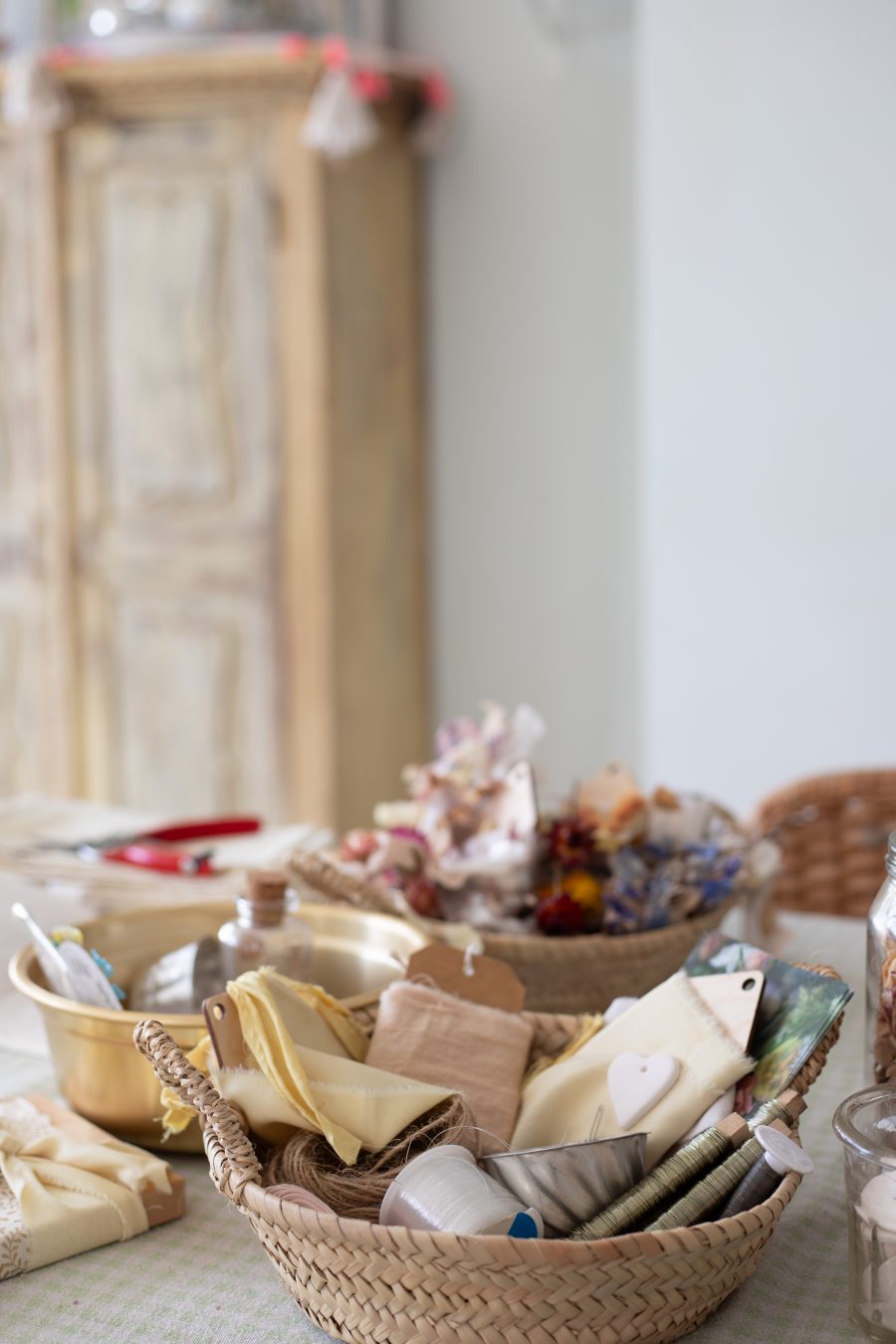
Lately, I have come into possession of lots of old tablecloths and fabrics. Some are in great condition for the table and feature the most beautiful cut work. Others are a bit scrappy and marked but still have plenty of potential. The same week the tablecloths arrived, there was a glut of avocados on the menu. Combining the two seemed like a sensible idea! I made an Instagram Reel all about the process.
For natural dying you’ll need natural fabrics; cotton, linen, silk or bamboo silk are all great. If you’re not sure, do a burn test. I’m very fond of burn tests, it was the very first thing I learnt in my textile technology lessons and has been used many times over the years. A natural fibre will singe and smell of burnt hair. A man made fibre will melt. Obviously only do a burn test somewhere well ventilated and safe!
Etsy is my main source of fabric for dying. Check the composition for 100% silk not a ‘silk fabric’. Here are a few places I’ve found.
Bamboo Silk – Great for ribbon making, has a lovely weight and sheen
Silk Chiffon – Great for making soft cloud like bows
100% Cotton – Great for basic crafts
You can prep your fabrics with a mordant, this is a process that adds proteins to the fibres making the colours stick. I did this when I made silk to sell but for home use don’t worry.
Now gather your supplies. You’ll need a large saucepan of water and somewhere to heat it (a stove top ideally), 4 – 6 avocado skins and stones (washed) depending on how deep you want the colour and how much fabric. This is something to experiment with. A sieve and bowl. A selection of natural fabrics.
Step 1: Add your skins and stones to the water and bring to just below boiling. Keep on the heat of about an hour, then turn the stove off. Leave for 24 hours if you can.
Step 2: Take out the skins and stones and sieve the water into a bowl to remove any debris.
Step 3: Put the water back onto a gentle heat and bring back to just below boiling.
Step 4: Rinse your fabric in water, this helps the absorption of dye and add to your dye bath (saucepan!)
Step 5 : Leave for an hour, turn off the heat and ideally leave over night. If you want a lighter colour leave for less time. Use you eyes to tell you.
Step 6: Remove from the dye bath and rinse. I sometimes put mine on a very quick cool wash in the washing machine.
Step 7: Leave to dry, press and enjoy!
The world of natural dying is vast and SO interesting, one day I’ll dedicate more time and energy to learning more. Avocados are a great introduction and will give you hours of fun! I do mine over a few days, each step takes about 5 minutes.
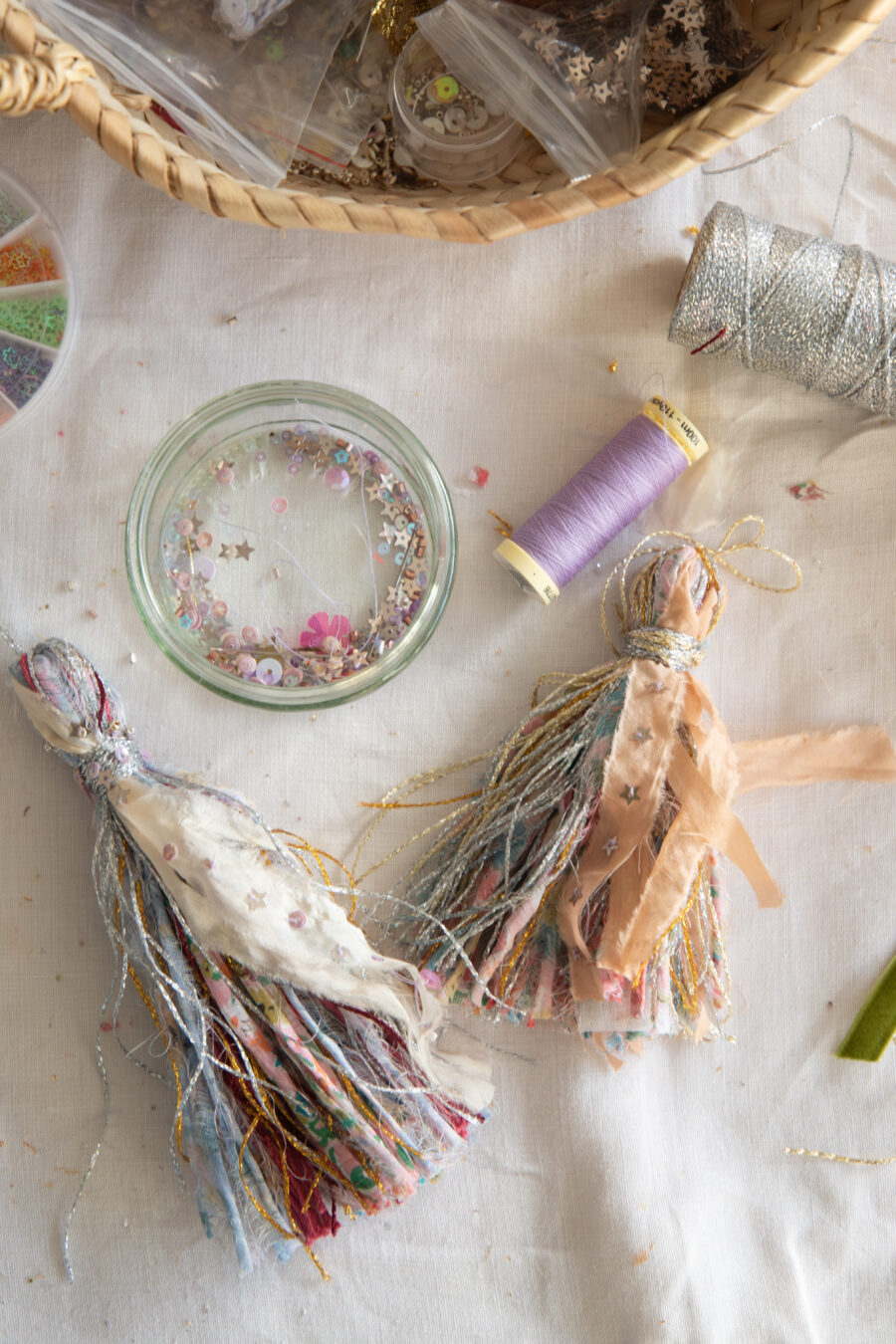
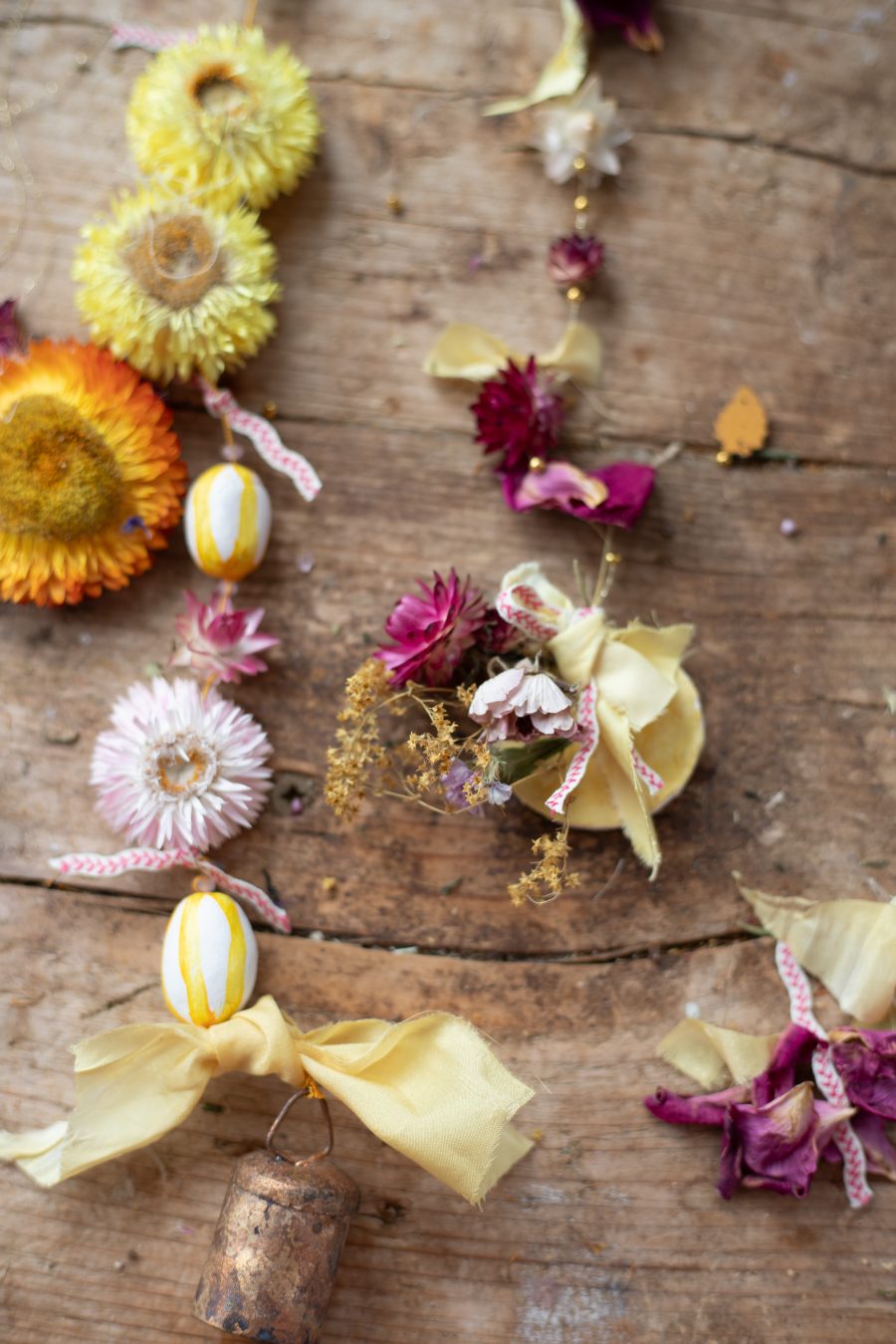
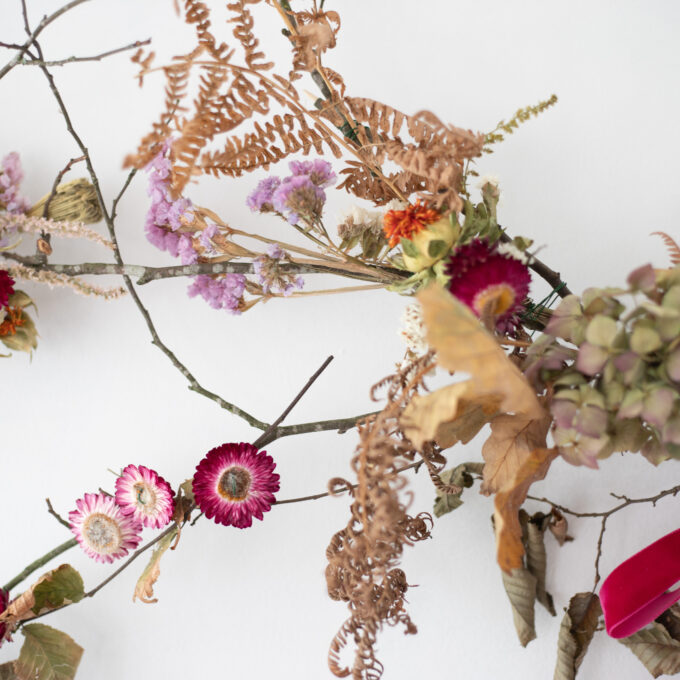
If you’d like more inspiration check out these posts – DIY : Liberty Print Tassels , Hanging flower Garlands (these use silk dyed with strawflowers), My first Quickie workshop on natural dying



Comments
Did you enjoy reading my post? Please do leave a comment and let me know what you think, I love to hear from you.