Make way, make way Spring is coming! It’s all bursting to life in the March cutting garden. All of a sudden the rain stopped and plants have begun bursting back into life. Obviously, we’re not in full bloom yet but the pace in the cutting garden is picking up.
The adjustment from nothing to all can be hard to navigate. Where on Earth do you begin? Prioritising jobs is overwhelming; do you start sowing or do you start clearing beds? My advice is to break jobs down and alternate activities. My cutting garden is a selection of beds and areas each with different needs. As much as I’d like to work on the whole garden at once, time dictates that I break areas down into sizeable chunks.
This will naturally create a rhythm to work with. Depending on the year I’ll either break my week into two days in the cutting garden and one day at the allotment and vice versa the following week.
Due to various reasons my year outside is looking quieter. I’ll dedicate two days per week outside, switching jobs accordingly. This week it’s been about clearing last years flowers in my dedicated cutting beds and planting out the autumn sown seedlings. I took a chance and planted them straight from their original seeds trays without potting on, wild!
Despite the rain it’s not been freezing. Hardy plants such as sweet peas, larkspur, nigella and argostemma can all handle cold spells and even perform better because of it.
I’ve experimented with putting all the seed trays outside to harden off and the plants have been fine. I took a chance and have begun planting out already and feeling fairly confident the worst of winter is done.
Now I’ve cleared greenhouse/ seed tray space. It’ll be time to begin seed sowing. When I began, seeds were often planted 1st of Feb, now I hold back. Plants grow better when the weather gradually warms warms up and sunlight increases. Doing too much too soon creates a glut of plants and enthusiasm. The flowering season is a marathon not a sprint. Sow gently once a week and you’ll have a steady stream of blooms.
I’ll start by getting my compost, vermiculite and seed trays clean and organised. Then once a week/every ten days sow around six varieties of different flowers. The gap in between then gives me time to prep beds. Creating a steady stream of flowers to be planted out. The last flowers get planted late July which means five months of sowing and planting are ahead. If you are a complete beginner, here is a complete beginners guide to selecting and sowing cut flowers.
If it still feels over whelming here is a gentle break down of jobs in the cutting garden this month.
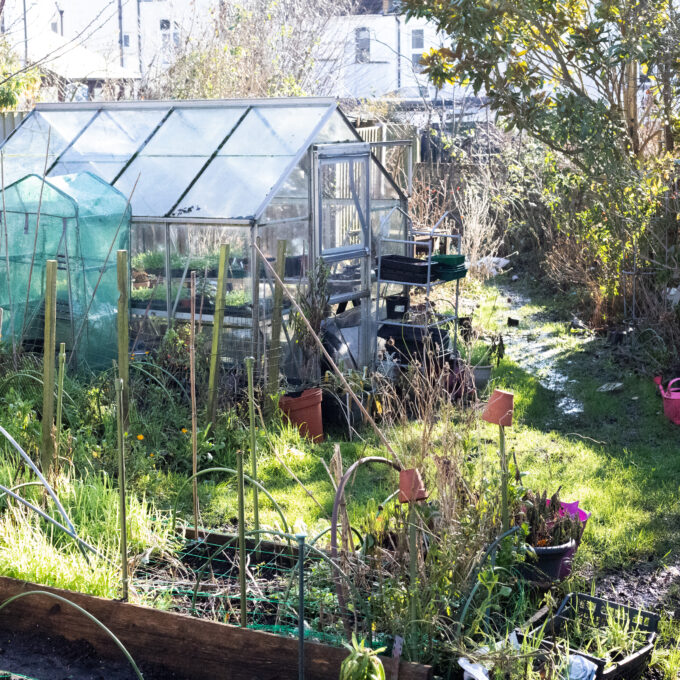
Look at your growing space. Clear beds of last years growth or round up last years pots and take out any old stems etc. Start with a blank canvas.
Do a seed audit and reorder any new seeds for the year ahead. Make sure you have something in flower every month.
Clean out your greenhouse/growing space and gather all your seed trays.
Make sure you have fresh compost and vermiculite for sowing.
Prune your roses if you haven’t , its a very satisfying job.
When it comes to weeds, use the one weed out, one plant in rule!
Enjoy it! Flowers are the BEST! If you’d like more live action come and find me on Instagram. I’m @LottsandLots.




Comments
Did you enjoy reading my post? Please do leave a comment and let me know what you think, I love to hear from you.